
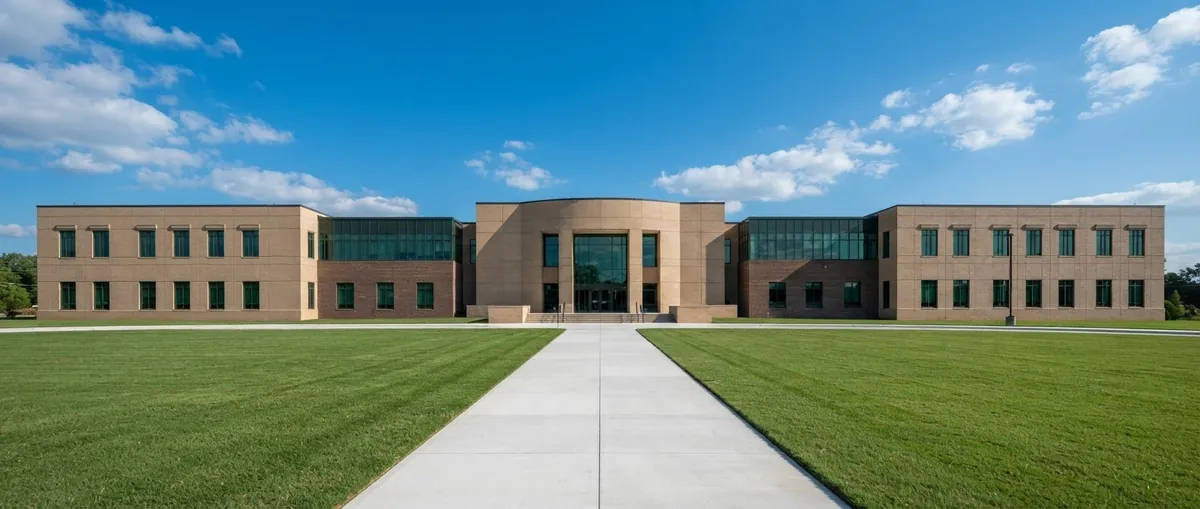
Court records in Catawba County, North Carolina, are maintained by the Clerk of Superior Court and can be accessed through online tools, official court portals, and the clerk's office. CatawbaCourt.us can help you find publicly available court record information for Catawba County. Additional access points include the North Carolina Judicial Branch county page, the Catawba County Clerk of Court office, and state government databases that cover criminal, civil, and vital records.
Catawba Court System Overview
Catawba County is part of North Carolina's Judicial District 25, which serves Catawba and Burke counties. The district includes both Superior Court and District Court divisions, with magistrates handling lower-level matters. Superior Court judges rotate through the district on assignment from the state, while District Court judges are elected to serve the district. Court operations in Catawba County are centered at the Catawba County Justice Center in Newton, where court deputies provide security for all proceedings.
Courts Serving Catawba
Several courts handle cases involving Catawba County residents:
Catawba County Superior Court
Catawba County District Court
Catawba County Magistrate's Office
U.S. District Court – Western District of North Carolina (Statesville Division)
Federal cases involving Catawba County residents are heard in the Western District of North Carolina.
U.S. Bankruptcy Court – Western District of North Carolina
There are no separate municipal courts in Catawba County. Traffic and ordinance violations from municipalities such as Hickory, Newton, and Conover are processed through the District Court.
What Types of Cases Catawba Courts Hear
Courts in Catawba County handle a wide range of case types across the Superior Court, District Court, and magistrate divisions:
- Criminal: Felonies, misdemeanors, infractions
- Traffic: Moving violations, DWI
- Civil: Lawsuits, contract disputes, personal injury
- Small claims: Lower-value monetary disputes
- Family law: Divorce, custody, child support, domestic violence protective orders, paternity
- Probate and estates: Wills, guardianships, conservatorships, estate administration
- Juvenile: Delinquency, undisciplined youth, abuse/neglect/dependency
- Adoption and termination of parental rights
The sections below explain which court division handles each category.
District Court Cases in Catawba
Catawba County District Court hears misdemeanor criminal cases, infractions, and civil cases where the amount in controversy is $25,000 or less. District Court judges also preside over all family law matters—including divorce, custody, child support, and domestic violence protective orders—as well as juvenile cases. Criminal misdemeanor trials in District Court are bench trials heard by a judge without a jury. If a defendant appeals a District Court conviction, the case moves to Superior Court for a trial de novo. Cases are assigned to judges based on the court calendar set by the chief district court judge for the district.
Magistrate Court Cases in Catawba
Magistrates in Catawba County handle several categories of cases:
- Small claims: Civil disputes up to $10,000
- Criminal duties: Issuing arrest warrants and search warrants, setting bail, conducting initial appearances
- Worthless check cases
- Domestic violence temporary protective orders (after hours)
- Involuntary commitment hearings (custody orders)
Magistrates do not conduct felony trials. For felony charges, magistrates conduct initial appearances and set conditions of release before the case proceeds to District or Superior Court. Small claims actions filed with the magistrate that are appealed move to District Court for a new hearing.
Family Law, Probate, and Juvenile Matters in Catawba
Family Law
Divorce, child custody, child support, equitable distribution, paternity, and domestic violence protective order cases are heard in Catawba County District Court. North Carolina requires a one-year separation period before an absolute divorce can be granted. Divorce certificates can be obtained from either NC Vital Records or the Clerk of Court in the county where the divorce was filed.
Probate
The Catawba County Clerk of Superior Court handles probate matters, including the administration of decedent estates, appointment of executors and administrators, guardianships, and conservatorships. The clerk acts as the judge of probate in North Carolina, so most estate proceedings do not require a Superior Court judge unless contested.
Juvenile
Juvenile cases—including delinquency, undisciplined conduct, and abuse/neglect/dependency petitions—are heard in District Court. Juvenile court records are confidential under North Carolina law and are not available to the general public. Contact the Clerk of Court's office for questions about juvenile proceedings.
How Cases Move Through the Catawba Court System
- Filing or initiation: Criminal cases begin with an arrest, citation, or grand jury indictment. Civil cases start when a plaintiff files a complaint. Family and probate matters are initiated by petition.
- Initial hearing: In criminal cases, the defendant has an initial appearance or arraignment where charges are read and bond is addressed. Civil cases receive a scheduling order or conference date.
- Pre-trial phase: Both sides exchange information through discovery. In criminal cases, plea negotiations may occur. Motions (to dismiss, for summary judgment, etc.) are heard by the assigned judge.
- Trial or resolution: Cases may resolve by plea agreement, settlement, consent order, or default. If not resolved, the case proceeds to a bench trial or jury trial depending on the court division and case type.
- Post-judgment: Criminal cases may involve sentencing, probation, or appeal. Civil cases may involve enforcement of judgments or appeals. Appeals from District Court go to Superior Court; appeals from Superior Court go to the North Carolina Court of Appeals.
Court Administration, Local Rules, and Public Access in Catawba
The Chief District Court Judge for Judicial District 25 oversees day-to-day court operations in Catawba County, including setting court calendars and assigning judges. A Trial Court Administrator assists with administrative functions for the district. Local rules for the judicial district govern scheduling, motions practice, and courtroom procedures; these can be obtained through the Catawba County page on the NC Judicial Branch website.
Public Access to Records
Under North Carolina's Public Records Act (N.C.G.S. Chapter 132) and court administrative rules, most court records are open to the public. Exceptions include:
- Juvenile records
- Sealed or expunged records
- Adoption records
- Grand jury proceedings
- Certain mental health and involuntary commitment records
You can request a public record from the North Carolina Judicial Branch using their online form, or visit the Clerk of Court's office in person at the Catawba County Justice Center.
Attending Hearings
Most hearings in Catawba County are held in person at the Justice Center. Some proceedings may be available by remote audio or video at the court's discretion. Check with the clerk's office or your attorney about whether a specific hearing offers a remote option. You can look up upcoming court dates on the NC Judicial Branch website.
Court Records and Related Court Resources in Catawba
- Court record search: The NC Judicial Branch court records portal provides online access to search for case information, conduct background checks, and learn about expungement. All 100 North Carolina counties are expected to have online court record access through this system.
- Court calendar and hearing dates: Use the Court Dates search tool to find the date, time, and location of a court appearance by name or citation number.
- Clerk of Court and public records requests: The Catawba County Clerk of Court maintains all clerical and record-keeping functions for Superior and District Court. Visit the office or submit a request through the Judicial Branch public records request form.
- Sheriff's Office records: The Catawba County Sheriff's Office Records Division handles law enforcement records, including incident reports and criminal history information. Phone: 828-465-8300.
- Current jail inmates: The Catawba County Who's In Jail tool shows current inmates, charges, bond amounts, and court dates.
- NC offender search: The NC Department of Adult Correction offender search covers state prisoners, probationers, parolees, and registered sex offenders, with records dating back to 1972.
- Property and deed records: The Catawba County Register of Deeds maintains real estate records, marriage licenses, birth and death certificates, and other vital records filed at the county level.
- NC public records online: The NC DAC public records page provides links to statewide databases for offender searches, automated system queries, and other criminal justice data.